
Two difficult exams in 48 hours? It’s hard to know what to study first, let alone how to fit everything in. You don’t need to revise every topic equally or sacrifice sleep to get through it. What you need is a plan that gives both subjects enough attention and leaves you feeling prepared when exam day arrives.
This 48-hour revision plan shows you how to prioritise topics, divide your study time and prepare for both exams without burning yourself out.
Hour One: Choose Which Topics to Revise First
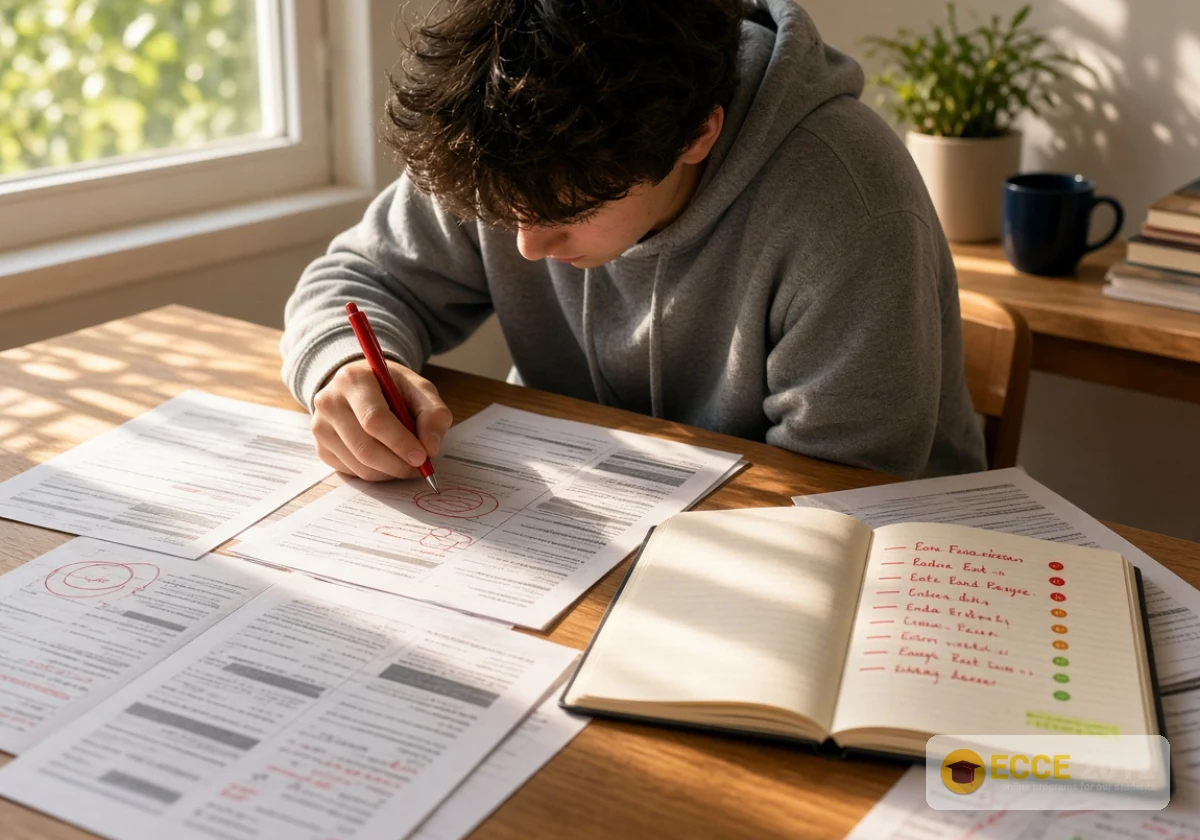
Before you open your textbooks, take an hour to work out which topics need the most attention. With two exams in just 48 hours, you won’t have time to revise everything equally. The aim should be finding the topics that could cost you the most marks.
To spot them, find the exam specification for each subject. This is the official list of topics your exam board can test. Go through it and give each topic a colour:
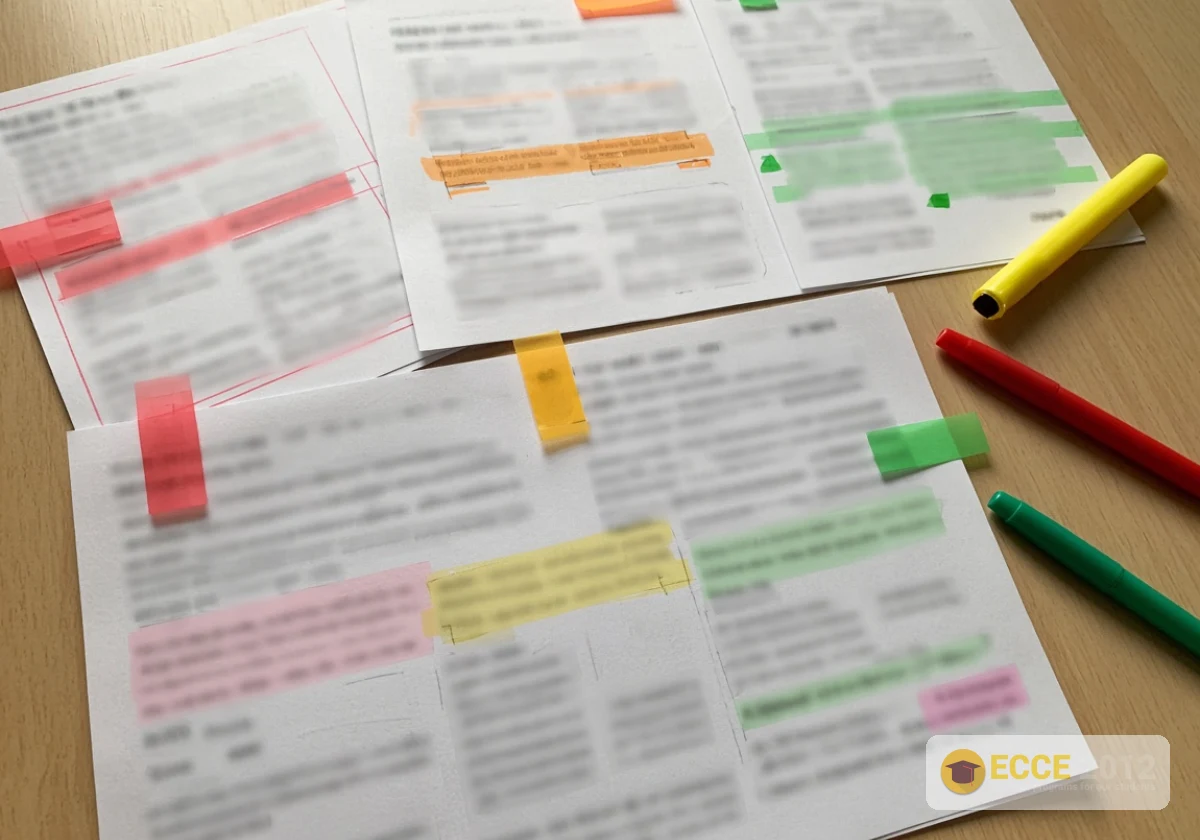
- Red: You don’t understand the topic or couldn’t answer a question about it.
- Amber: You know some of it but struggle to answer questions confidently.
- Green: You understand it and can answer questions without looking at your notes.
Be honest with yourself when choosing colours. Marking a topic green because you’ve read it a few times won’t help if you can’t answer questions about it.
Next, look through recent past papers for both subjects. Pay attention to which red and amber topics appear regularly and how many marks their questions carry. When you know which topics come up often and carry the most marks, you can give them more of your revision time.
Here are four checks to help you decide what to study first:
- Prioritise High-Mark Topics First: Some topics carry more marks than others in past papers. Give priority to these, because one strong answer on them can make a real difference to your overall grade.
- Master Topics Other Topics Need: Certain skills support whole groups of questions across a paper. For example, GCSE algebra skills can help you solve several types of maths questions.
- Target Amber Topics for Quick Wins: Amber topics already sit close to green, so they often need less work than red ones. Focus on areas where a little practice could help you answer questions more confidently.
- Tackle Question Types You Struggle With: Sometimes you lose marks because of how a question is worded, not the topic itself. That said, look at command words such as explain, compare and evaluate, especially if you often lose marks because you misunderstand what’s being asked.
Look, you don’t need to run every topic through all four checks. Instead, start with the check that matches your biggest weakness, and your priority list will quickly become more reasonable.
What’s more, you can write your highest-priority topics down separately for each subject, then put the remaining topics on a back-up list. That way, you can return to them if you finish your priority revision early, rather than worrying about them during every study session.
Create a 48-Hour Revision Timetable for Two Exams
You’ve sorted your priority topics, so it’s time to give each subject a place in your schedule. Spend more time on the exam you find harder, but don’t leave the other one untouched for a whole day.
We’ve broken the next two days into five study blocks. Each block has a different goal, so you can work through your priority topics, check what you’ve learned and practise answering exam questions.
Day One Morning: Start With Your Harder Subject
Your mind is usually fresher in the morning, so start with the subject you find hardest. Pick the highest-priority red topics from your list and find related questions in your past papers.
Try answering them without looking at your notes. Once you’ve finished, check your answers against the mark scheme. Pay attention to the questions you got wrong and why you lost marks.
And keep a simple error list as you go. Write down the topic, the question and what you need to review. You’ll use this list again tomorrow.
Day One Afternoon: Swapping Subjects Before Fatigue Sets In
After lunch, put the first subject aside and move to your second one. We know how tempting it is to stay on the subject you’ve warmed up on. But your other exam needs attention, too.
Begin with your second subject’s highest-priority red topics. Pick questions from recent past papers and try answering them without your notes. If you get stuck, check the relevant section of your textbook before trying again.
Work in 60–75-minute sessions with short breaks between them. When a session ends, move on to the next task instead of letting one subject take over the afternoon.
Day One Evening: Test Your Memory Without Your Notes
You’ve spent the day studying, but how much can you remember without looking at your notes? Use this evening session to find out.
Take a blank sheet of paper for each subject. Choose one priority topic and write down the main points you remember, including important definitions, formulas and steps. Then open your notes and check what you missed.
Use a different-coloured pen to add anything you couldn’t recall. Mark these gaps, so you know which topics need another look tomorrow.
Keep this session short. You’re testing what you’ve learned, not trying to cover the entire syllabus again.
Day Two Morning: Revisit Yesterday’s Mistakes
Start your second day with the error list and recall sheets from yesterday. Look at the questions you struggled with and try answering them again without checking the solutions.
If you get one wrong again, don’t simply memorise the correct answer. Go back to the topic and work out why you made the mistake. Then attempt a similar question to check whether you’ve understood it.
Divide this session between both subjects so you don’t neglect either one. Give each subject enough time to revisit its priority topics and correct yesterday’s mistakes.
Day Two Afternoon: Practise Under Timed Conditions
You’ve spent the last day and a half working on difficult topics and correcting mistakes. Now it’s time to see how well you can put that knowledge to use under exam conditions.
Choose a section from a past paper for each subject. Set a timer based on the marks available and try answering without your notes. This gives you a chance to practise managing your time while checking whether you can recall what you’ve studied.
Once you’re finished, compare your answers with the mark schemes. Did you struggle to remember a formula, misunderstand a question or spend too long on one answer? These patterns can tell you what still needs attention.
You don’t need to fix everything this afternoon. Pick three mistakes that cost you the most marks and review those before you finish. You’ll go into the exams with a clearer idea of what you know and what to watch out for.

Google Calendar vs Paper: Which Timetable Works Best for Last-Minute Revision?
Both options work, but your choice depends on how you prefer to study. You can use Google Calendar to schedule each session and get reminders, or write everything down on paper and keep it beside your desk.
Let’s compare the two options and what each means for your weekend.
| Feature | Google Calendar | Paper timetable |
|---|---|---|
| Reminders | Sends alerts before each session | You need to check the time yourself |
| Changing plans | Move sessions around easily | Cross out and rewrite |
| Visibility | Check your schedule on your phone | Keep it on your desk or wall |
| Distractions | Other apps can pull you away | No phone notifications |
If you already use your phone to organise your day, Google Calendar can help you keep track of each session. Just mute unnecessary notifications while studying.
But if you often unlock your phone to check the time and end up scrolling, a paper timetable might suit you better. Put it somewhere visible and tick off each session as you finish.
Bottom Line: The best option is the one you’ll actually check and follow.
Why Sleep and Spaced Repetition Beat All-Night Cramming
You might feel tempted to use every spare hour to revise, especially with two exams coming up. But staying up all night can leave you tired, distracted and struggling to recall what you’ve studied.
Aim for 7–9 hours of sleep instead. Sleep helps your brain process and store information you’ve learned during the day, making it an important part of effective revision.
Spaced repetition is another way to strengthen your revision. This technique helps you learn more effectively by revisiting topics at intervals rather than trying to absorb everything in one sitting. For example, you might practise a difficult maths topic on day one, test yourself on it again the next morning and attempt another question that afternoon.
The University of York’s guide to spaced repetition explains how returning to information at intervals helps build long-term memory.
Start the Clock on Your Two-Exam Weekend
You now have a 48-hour revision plan you can put into action. Start by sorting your priority topics and filling in your first day’s study blocks tonight. Then follow the schedule and adjust it as needed.
If you get stuck or aren’t sure what to revise next, return to this guide to help you get back on track.
Ready to plan beyond this weekend? Explore ECCE2012 for more study guides on college exam preparation and revision strategies.